
VoIP for Small Business: What You Need to Know Before Switching
Small businesses often assume that enterprise-grade phone features — auto-attendant, call recording, mobile apps, advanced routing — are out of reach financially. VoIP changes that assumption entirely. Cloud-based VoIP systems give five-person businesses access to the same professional phone infrastructure that large enterprises use, at pricing designed for the SMB budget.
Why Small Businesses Are Switching to VoIP
The economics are straightforward: small businesses on traditional phone plans pay per line, per month, with separate charges for long-distance, features, and hardware maintenance. VoIP consolidates all of this into a single per-user monthly fee that is typically 40 to 60 percent lower than a comparable traditional phone plan — with more features included. A small business paying $150 per month for three traditional lines routinely discovers they can get five VoIP lines with advanced features for $75 to $100 per month.
What Small Businesses Need for VoIP
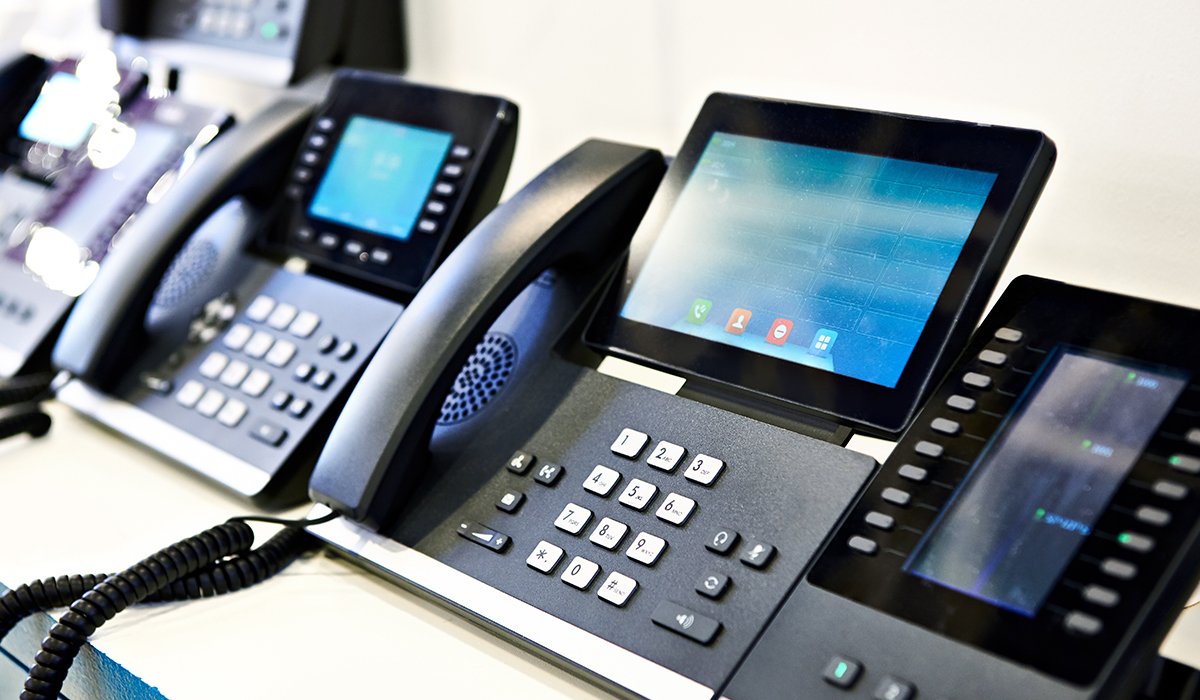
A reliable internet connection is the single most important prerequisite. VoIP requires approximately 100 Kbps of bandwidth per simultaneous call — well within the capacity of virtually any business internet plan. For a five-person office where two or three calls might happen simultaneously, you need about 300 Kbps dedicated to VoIP — a tiny fraction of even a basic 25 Mbps business connection. Beyond internet, you need only user accounts and either desk phones (optional), the softphone app on existing computers, or the mobile app on smartphones. Many small businesses find they can eliminate desk phones entirely, using only the softphone and mobile apps.
VoIP Features That Matter Most for Small Businesses
The auto-attendant is transformative for small businesses — it creates a professional first impression even for a sole proprietor, routing callers to different “departments” that are actually the same one or two people. Voicemail-to-email means no missed messages when the team is busy with in-person work. Mobile apps allow owners and staff to take office calls on their phones without giving out personal cell numbers. And the AI receptionist is particularly valuable for small teams — it answers every call when staff cannot, preventing the revenue loss from missed calls that is the most common small business communication problem.
How Long Does a Small Business VoIP Setup Take?
Most small business VoIP setups are completed in one to three business days. Account provisioning and app setup happen within hours. Number porting — transferring your existing business phone numbers to the new system — typically takes seven to fourteen business days, during which your old service continues to function normally. There is no service interruption at any point in the transition.
Get a Small Business VoIP Quote from Vivant
Vivant serves businesses of all sizes, including solo operators and micro-businesses. Our smallest customers pay as little as one user per month with all features included. Contact us for a free assessment of your current phone costs and how much VoIP can save your small business.