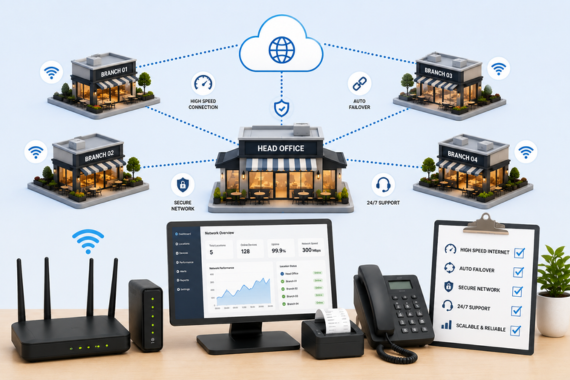
By 2026, the virtual PBX system has transcended its origins as a digital switchboard to become the intelligent heartbeat of a unified, multichannel communication ecosystem. This transformation replaces static call routing with a proactive command center that leverages real-time AI to automate complex workflows, synchronize deep customer data across every touchpoint, and provide instant sentiment analysis. No longer just a utility for voice connectivity, a modern virtual PBX system acts as a strategic engine for hyper-personalization, turning every interaction into a data-rich opportunity to scale operations and elevate the customer experience with surgical precision.
What is a Virtual PBX Phone System?
A virtual PBX system is a business phone network that operates entirely over the internet instead of relying on physical hardware in your office. Unlike traditional Private Branch Exchange (PBX) systems that require expensive on-site equipment, switchboards, and complex wiring, a virtual PBX leverages cloud technology and VoIP to deliver enterprise-grade communication without the infrastructure headaches.
What is a PBX phone system in traditional terms? It’s the equipment for managing incoming and outgoing calls within your organization. A virtual version does the same job—routing calls, managing extensions, connecting your team—but it lives in the cloud, accessible from anywhere with internet. For businesses asking what a virtual PBX is and why it matters: it’s the difference between outdated hardware that limits growth and scalable technology that moves as fast as your business does.
How a Virtual PBX Phone System Works
Understanding how PBX phone system technology functions reveals why modern businesses are making the switch. Here’s the flow of a typical call through a virtual PBX system:
- Incoming Call Initiation: A customer dials your business number from any device.
- Digital Conversion: The call is converted into digital data packets using advanced codecs that ensure crystal-clear audio quality.
- Cloud Routing: These packets travel through your internet connection to cloud-based servers hosted by your provider.
- Intelligent Distribution: The virtual PBX system analyzes the call based on your pre-configured rules—time of day, caller ID, department needs—and routes it to the appropriate destination.
- Multi-Device Delivery: The call reaches your employee whether they’re at their desk phone, laptop, or mobile device.
- Real-Time Communication: Data packets are converted back to audio, enabling seamless conversation without any perceptible delay.
Why Modern Businesses are Ditching Traditional PBX Phone Systems
| Functionality | Traditional PBX Phone Systems | Virtual PBX Phone Systems |
|---|---|---|
| Installation | Requires expensive hardware and physical equipment, making setup costly and time-consuming. | Runs entirely on the cloud; all you need is an internet connection, no hardware installation required. |
| Cost | Comes with heavy equipment costs plus ongoing service and upgrade fees that add up fast. | Updates roll out automatically at no extra charge, and the only recurring cost is your internet connection. |
| Support | Demands dedicated technical support from initial setup through regular maintenance. | Can be self-managed or handled by your provider; no technical expertise needed to keep things running. |
| Mode of Work | Tied to a physical server in one location, requiring employees to work from a fixed on-site setup. | Fully cloud-based, giving your team the flexibility to work from anywhere without being tethered to an office. |
| Features | Offers limited functionality out of the box, with advanced features locked behind costly plan upgrades. | Comes loaded with Call Routing, Call Forwarding, Agent Productivity Tracking, Call Recording, Live Call Feed, Sticky Agent, and more. |
| Analytics | Provides little to no visibility into agent performance, customer behavior, or business reporting. | Delivers real-time data insights and deeper analytics to help you make smarter, faster business decisions. |
| Integrations | Limited integration options that restrict how well it connects with your existing tools and platforms. | Supports multiple API-based integrations, making it easy to connect with the tools your business already relies on. |
Traditional systems require expensive equipment and technician visits for every new employee or location, while virtual PBX lets you scale instantly with a few clicks—no hardware, no hassle.
Why Your Business Needs a Virtual PBX System Today
In the modern corporate landscape, relying on a legacy landline is no longer just an inconvenience—it is a significant operational bottleneck. Transitioning to a virtual PBX system ensures your organization remains agile, maintains a professional image, and reduces overhead costs. Here is why making the switch today is a strategic necessity for your business:
1. Intelligent Call Orchestration
The days of manual call management are over. A virtual PBX system provides comprehensive control through sophisticated call scheduling and routing protocols. You can precisely determine where calls are directed based on the time of day, ensuring your team remains productive without missing a single lead. Furthermore, you can easily manage international dialing permissions to keep your expenditure predictable.
2. Seamless Multi-Office Connectivity
Whether your team is distributed across various floors or different time zones, a virtual PBX system serves as a unified internal network. It bridges the gap between departments, allowing for instantaneous internal calling that keeps your entire organization synchronized—without the need for expensive on-site hardware.
3. Minimising Call Drop Rates
Nothing damages a brand’s reputation faster than a disconnected call. Modern virtual PBX system technology utilizes intelligent hunting logic to automatically direct callers to the next available representative. Through a central management portal, supervisors can monitor staff availability in real-time, ensuring every enquiry reaches a human being.
4. Managing High-Volume Traffic Cost-Effectively
Traditional systems often struggle during peak periods, but a virtual PBX system scales effortlessly to handle significant spikes in traffic. By intelligently distributing incoming calls based on caller requirements, you can maintain a premium customer experience without the substantial capital investment required for traditional infrastructure.
5. Built for the Remote Work Era
The modern workforce is increasingly mobile, and your communication system must reflect that. A virtual PBX system is an essential tool for remote work, enabling employees to handle professional business calls from laptops or mobile devices anywhere with an internet connection. This flexibility allows you to recruit top-tier talent regardless of location while reducing the costs associated with physical office space.
6. Enhanced Customer Support
First impressions are critical. With a virtual PBX system, features such as automated attendants and “voicemail-to-email” ensure customers receive an immediate response. By routing callers to the correct specialist more quickly and delivering message transcriptions directly to your inbox, you transform standard support into a seamless, high-touch experience.
7. Data-Driven Insights via Call Analytics
Effective management requires accurate measurement. A virtual PBX system offers a wealth of data, providing deep insights into call volumes, peak durations, and geographical origins. This level of transparency enables you to make informed decisions regarding staffing and marketing investments based on empirical evidence rather than intuition.
8. Frictionless Scalability
Perhaps the most significant advantage of a virtual PBX system is its ability to grow alongside your business. For growing firms, there is no need to pay for surplus capacity. When the time comes to expand, you simply adjust your digital subscription—no technicians, no complex wiring, and zero downtime.
Top Virtual PBX Features to Modernize Your Business
Today’s virtual PBX services deliver sophisticated capabilities to businesses of every size without the massive capital investment or complex infrastructure. Modern virtual PBX services aren’t just about calls; they’re comprehensive communication platforms that transform operations.
- Standard Features: Auto-Attendant, Call Forwarding (Find Me/Follow Me), Voicemail-to-Email transcription, Conference calling, and Extension dialing.
- Supervisory Features: Call Recording for quality assurance, Call Whispering (coaching), Call Barging (intervention), and Queue Management.
- Analytics & Intelligence: Real-time dashboards, Agent productivity metrics, Missed call reports, and IVR pathway analysis to optimize customer routing.
How to Select the Right Virtual PBX System: A Step-by-Step Framework
- Assess Call Volume: Ensure your provider’s infrastructure prevents busy signals during peak periods. Ask about concurrent call capacity.
- Integration Readiness: Look for native connections to Salesforce, HubSpot, Zoho, or Utiliko. Seamless integration eliminates data silos.
- Network Compatibility: Run a bandwidth test. Most providers recommend a minimum of 100 Kbps upload/download per concurrent call.
- Support & Maintenance: Look for providers offering 24/7 human support—not automated chatbots. Amazing human support should be non-negotiable.
- The “Future-Proof” Test: Can you add 50 users instantly without hardware? True virtual PBX services scale via one-click provisioning.
Why Industry Leaders Choose Vivant for Virtual PBX Phone Systems?
- The 100% Uptime Guarantee (HAFT Architecture): Vivant’s High Availability Fault Tolerant technology hosts your system across multiple regions to ensure zero interruption.
- Drastic Cost Reduction (28% Average Savings): Businesses reduce monthly telecommunications expenses significantly while gaining unlimited advanced features.
- “Command Central” Analytics: Get comprehensive visibility into organizational health, missed calls, and agent activity from a single dashboard.
- Award-Winning, Human-First Support: proactive monitoring that catches and fixes issues before they impact your business, backed by live expert technicians.
- Business Texting & Call Deflection: Deploy text templates, schedule future messages, and set auto-replies to ensure no customer inquiry goes unanswered.
Is Your Current Phone Bill Costing You More Than Just Money?
Businesses that switch to Vivant see an average 28% reduction in monthly costs while gaining a 100% uptime guarantee. Why pay for legacy hardware when you can invest in growth?
Zero Contracts. 100% Uptime Guaranteed. Proactive monitoring that catches and fixes issues before they impact your business.